Why I Care So Deeply About Brain Health
Brain health is not an abstract concept to me. It is deeply personal. It lives in my memories, my grief, my love, and my purpose.
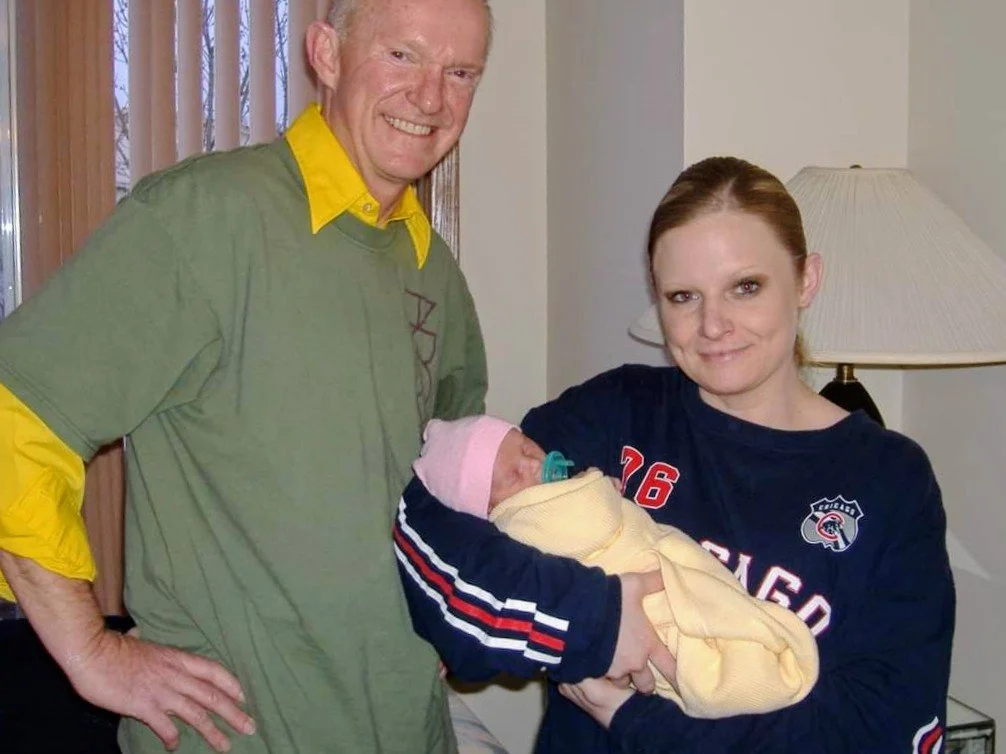
Years ago, my father was diagnosed with Lewy Body Dementia. Like so many families facing a neurodegenerative diagnosis, we were given very little hope and even fewer tools. The message felt clear: this would only get worse, and there was nothing meaningful we could do to change that trajectory.
As a naturopathic doctor and health coach, that answer didn’t sit well with me.
I knew the brain does not function in isolation. It is influenced by inflammation, metabolic health, nutrient status, sleep, stress, toxins, movement, and emotional wellbeing. I also knew that while we couldn’t cure my father’s disease, we could still support him - his dignity, his quality of life, and his sense of agency.
So I became my father’s coach, and I was not alone in that role.
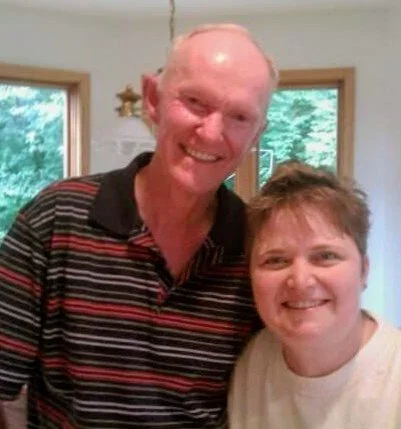
My stepmother was there every day, walking beside him through his routines, appointments, meals, and moments of uncertainty. She carried the weight of caregiving with love and devotion, often putting her own needs last. Together, we supported him with daily structure, nourishment, gentle movement, connection, and presence. I learned how to meet him where he was, how to communicate differently, and how to honor who he still was beneath the symptoms.
Just as importantly, I witnessed how essential it was for her to be supported as well. Caregiving takes a profound toll - physically, emotionally and mentally. Part of this journey was helping my stepmother remember that caring for herself was not selfish, but necessary. Her wellbeing mattered too.
There were moments of clarity, laughter, and deep connection I will always cherish. And there were moments of profound grief as I witnessed the slow loss that dementia brings - not just to the person affected, but to everyone who loves them.
That experience changed the course of my life and my work.
It made it painfully clear to me that brain health deserves far more attention long before symptoms appear. It also showed me that cognitive decline is not caused by a single factor, and that there are meaningful ways to support brain health at every stage of life - for both those experiencing decline and those caring for them.
That is why I am drawn to a functional, root-cause approach to cognitive health, including the principles of the Bredesen Protocol. Not because it offers guarantees, but because it respects the complexity of the brain and empowers people to take an active role in their health. It shifts the focus from “there’s nothing you can do” to “here’s what we can support.”
Today, I work with individuals who are worried about memory changes, who have a family history of dementia, or who want to be proactive about protecting their cognitive health. I also work with caregivers who are exhausted, overwhelmed, and often invisible. My role is to help people feel informed, supported, and empowered - without losing themselves in the process.
I care deeply about brain health because I have seen firsthand what is at stake. Because I know how isolating and frightening cognitive decline can be. And because I believe people deserve compassion, education, and hope - especially when it comes to their brains.
This work is personal. It is purposeful. And it is at the heart of everything I do.
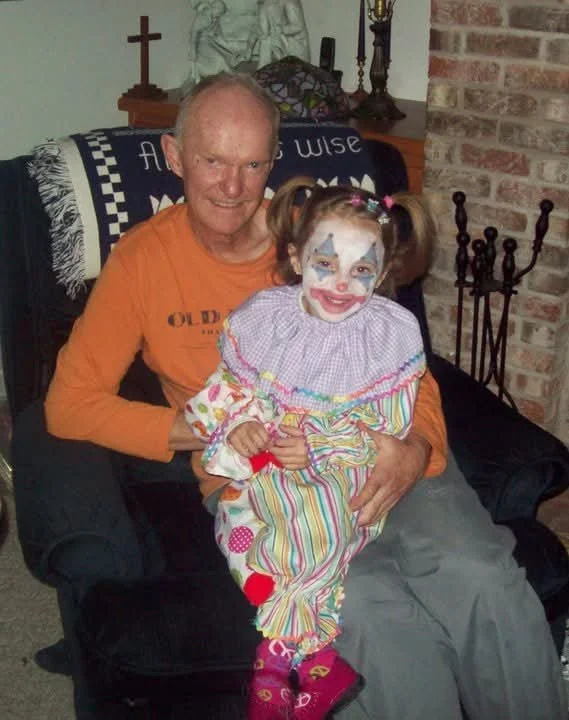
If you’ve ever encountered this disease, you know how complex, unpredictable, and heartbreaking it can be. It affects cognition, movement, mood, sleep, and identity itself. Some days he was sharp and engaged. Other days, he was confused, withdrawn, or frightened by hallucinations he couldn’t control. Watching someone you love slip in and out of themselves is an experience that changes you forever.
At the time, I wasn’t just a daughter - I became a coach, advocate, and steady presence. I walked alongside my dad as he navigated a world that was slowly becoming unfamiliar. I learned how much environment, routine, nutrition, stress, sleep, and emotional safety mattered.I saw firsthand that even when a diagnosis feels final,care is never futile.
What surprised me most was this: there were moments of connection, clarity, and dignity that could be supported. Small changes made meaningful differences. The right conversations at the right time mattered. Being seen as a whole person - not just a diagnosis - mattered.
Coaching my father through Lewy Body Dementia reshaped how I understand brain health. I no longer see it as something we only pay attention to when it’s failing. Brain health is something we build, protect, and nurture across a lifetime. It is influenced by how we eat, how we move, how we manage stress, the quality of our sleep.